As the mechanical restoration of the 351 Windsor continues, a deeper dive into the archives reveals that this van was more than a vehicle; it was a mobile laboratory for a department that helped set the national standard for undercover operations. The Hillsborough County Sheriff’s Office (HCSO) appears to have been a pioneer in integrating federal training with psychological research to protect the men and women of the Vice Squad.
The Quantico Connection: Training for “The Deep Cover”
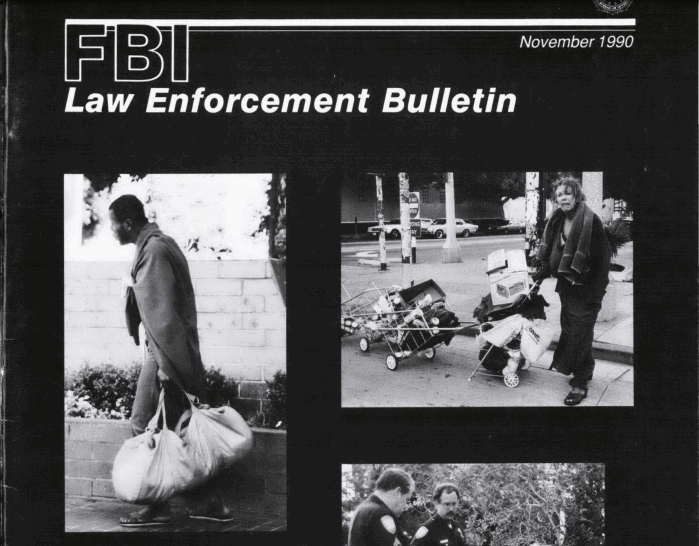
During the service life of this van, internet archives indicates the HCSO may have been a frequent contributor to and beneficiary of the FBI National Academy and the FBI Law Enforcement Bulletin, amongst other studies and training programs. The agency’s commitment to federal-level standards meant their surveillance platforms had to be over-engineered to meet “best practice” protocols.
- Standardized Surveillance: The FBI has long emphasized that the “Command and Control” vehicle must be a “sterile environment” to prevent detection—a principle reflected in the “Air Quality” disguise of our van.
- Source: FBI Law Enforcement Bulletin (Vol. 65, No. 2) notes the critical importance of specialized training for undercover support personnel to mitigate the risks inherent in “deep cover” stings.
The “Stressors” Study: The Human Cost of the Stakeout
While we’ve been examining the unique A/C and the silent stabilizers, we now understand these weren’t just luxuries—they were tactical requirements identified by psychological research. While publications from the era have proven to be difficult to obtain, internet archives indicate the HCSO has historically been cited in studies regarding the unique pressures of the Vice Unit.
- Hyper-Vigilance and Environment: Research on undercover officers often highlights the “sensory deprivation” of sitting in a windowless van as a primary stressor. The transition from the “boredom” of a 12-hour stakeout to the “high-intensity” of a bust creates a physiological spike that is difficult to manage.
- The Findings: In the study “Undercover Policing: A Review of the Psychological Issues” (Farkas, 1986) and subsequent updates in the 90s, researchers found that environmental controls (like the A/C and specialized seating found in front of our Seatron rack) were essential to maintaining the “operational readiness” of a surveillance team.
- HCSO’s Role: The HCSO has been a model for “Undercover Support Systems,” ensuring that the officers in the van (the “ears and eyes”) are as protected as the detectives on the street.
The FBI “Stress in Undercover Work” Report
The FBI’s own research into Undercover Stressors (U.S. Dept of Justice) specifically lists “Equipment Failure” as a top-tier stressor for undercover units. If the microphone cuts out or the video feed goes snowy during a deal, the stress levels of the support team in the van skyrocket because they can no longer ensure the safety of the undercover operative.
“The failure of electronic surveillance equipment during a critical phase of an operation is not merely a technical inconvenience; it is a life-threatening event for the undercover officer and a source of profound psychological trauma for the support team.” — FBI Behavioral Science Unit Archive.
The Legacy in the Driveway
This context changes how we look at the silent microphones and the snowy PTZ camera. To the HCSO Vice Squad 527, those weren’t just “broken parts”—they were a breach in the safety net.
By restoring these systems to their 1990s peak, we are preserving the exact environment that the FBI and HCSO identified as the “Gold Standard” for protecting their officers’ minds and bodies during their mission.
 The Vice Van: Hillsborough Files
Leave a comment