This installment is about the “Restorer’s Dilemma.” In a forensic restoration, there is a fine line between a museum piece that does nothing and a functional tool that honors its history. For The Vice Van, we’ve reached a point where the original 1980s silicon is fighting back. Between obsolete EPROMs and decaying rubber belts, we are making the executive call to pivot: Keep the aesthetic, bypass the headache, and bridge the 30-year gap with a “Functional Ghost.”
1. The Radio Swap: Midland and Motorola vs. Tait LMR
The original Midland radios are beautiful, but they are “brick” technology in the worst way. Programming them requires physical EPROM chips that are essentially extinct, and even if we burned new ones, we lack the licensing to operate on the frequencies they were built for. The Motorola Converta-Com is in very poor condition, and is missing the paired portable radio.
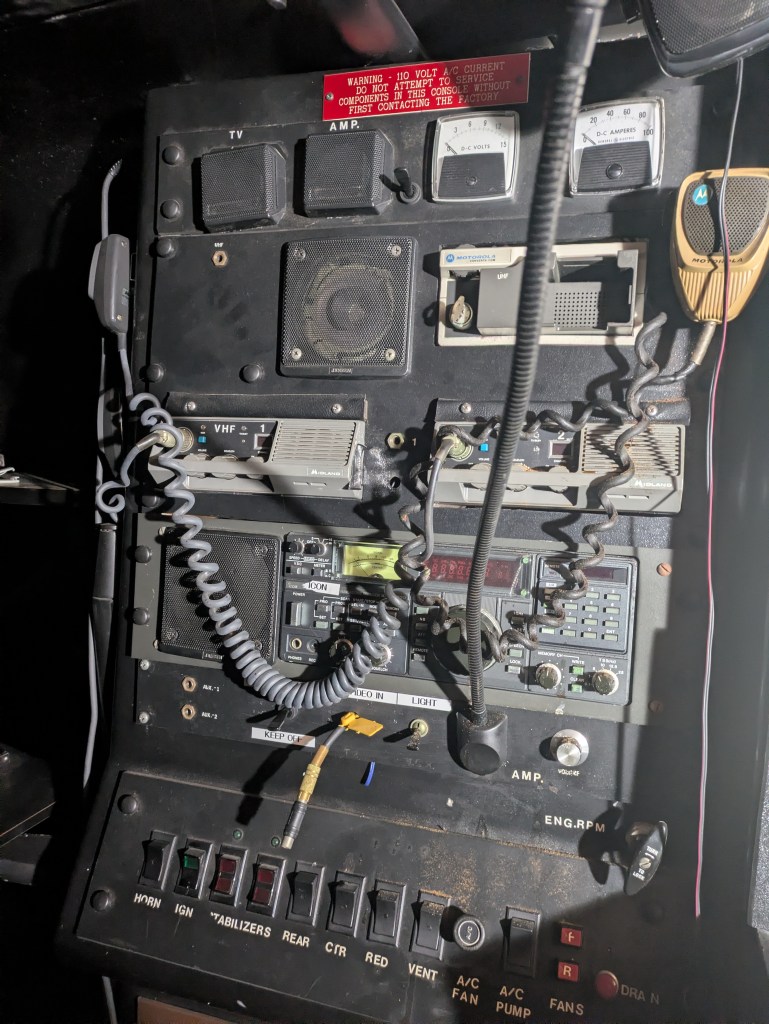
- The Solution: The Midlands stay in the rack as “Dummies” to preserve the visual weight of the gear stack.
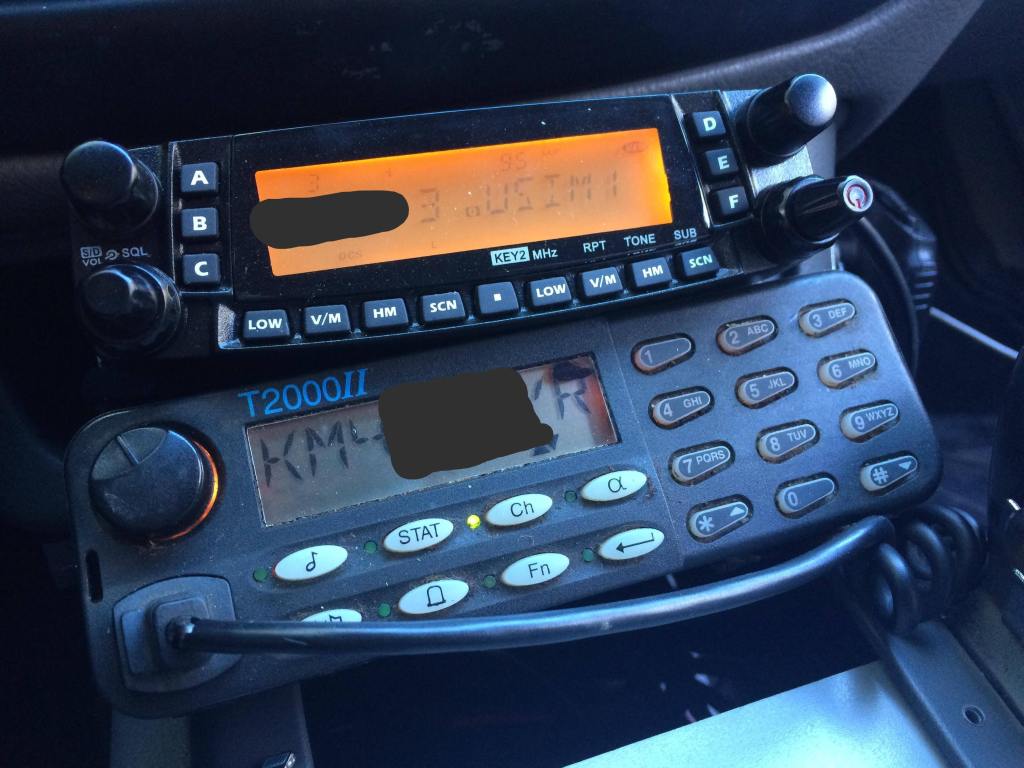
- The Replacement: We are sourcing 1900s-era Tait T2000 series LMRs (specifically the T2020, surplused from the Alcoa, Tennessee Police Department) for both the rear rack and the front dash. Launched in 1994, these are period-perfect and can be PC-programmed. We’ll install these where the decaying Motorola Converta-Coms are currently mounted.
- The “Legal” Loophole: We will be setting the Taits to Receive-Only on standard FRS (Family Radio Service) frequencies.
- The Result: By using a modern handheld FRS radio outside the van, we can “broadcast” into the van. The Tait radio picks up the signal and blasts it through the vintage speakers. It looks and sounds 100% authentic to an HCSO Vice operation, while remaining perfectly legal as a prop.
2. Bypassing the “Magnetic Graveyard”
The dual VCRs and cassette decks in the Seatron rack are in excellent physical shape—the faceplates are clean and the buttons still have that satisfying 90s “thunk.” However, 30 years of Florida and Tennessee humidity has caused extensive damage.
- The Executive Call: A full mechanical rebuild of four tape-driven units is a massive time-sink for minimal gain. Instead of fixing the “Recording” side, we are focusing on the “Live” side.
- Audio Bypass: We’re bypassing the tape decks entirely, with plans to bring multiple audio sources straight to a speaker or speakers in the van.
- Video Bypass: The VCRs are being bypassed in the same manner. The Periscope Camera signal is going into one of the CRT screens via a video adapter.
3. The CRT Strategy
With the VCRs out of the loop, we now have two clean CRT displays ready for a mission.
- Monitor A (The Eye): Dedicated to the “Live” feed from the periscope. Moving the periscope provides instant, zero-latency feedback on the screen—the ultimate 1995 stakeout experience.
- Monitor B (The Brain): Driven by a Raspberry Pi 2, running a custom-designed “HCSO Vice Squad” status display. It creates the illusion that one screen is “Live” while the other is “System Status.”
The “Functional Ghost” Philosophy
By making these choices, we aren’t “faking” the restoration; we’re adapting it. The van still feels like a heavy-duty surveillance post from 1989, but it’s no longer a hostage to 30-year-old rubber bands and EPROM burners. It’s responsive, it’s loud, and it’s finally starting to “talk” back.
Teaser: The Sound of the Stakeout
We aren’t just making the van look right; we’re making it sound right. Coming up in the future, we are working on a dedicated audio environment for The Vice Van.
When the CRTs are glowing and the local weather is playing through a small speaker on the desk, you’ll feel like you’ve actually traveled back in time.


Leave a comment